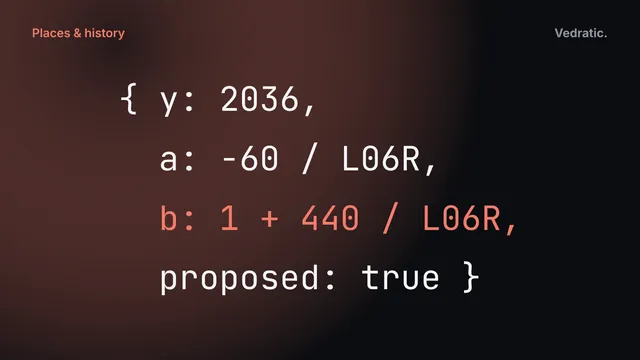
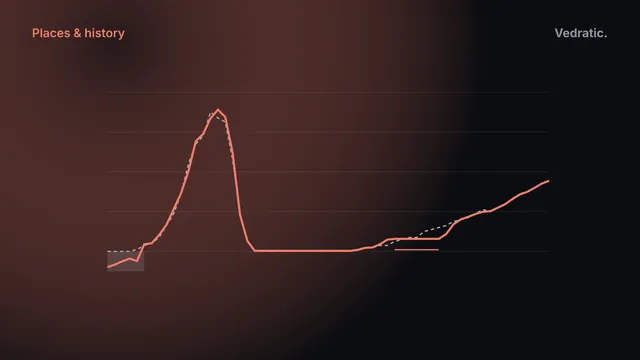
A runway is one line and two fractions
How Chronotopia stores a runway's whole history as one centreline with dated phases, grows it smoothly between them, and hatches the part that is only planned.
What we learn building our projects: how they work, the decisions behind them and their limits.
How Chronotopia stores a runway's whole history as one centreline with dated phases, grows it smoothly between them, and hatches the part that is only planned.
How our apps are built, and how we plan work with Andamio.
11 articles
Map projections, how Globdrop's maps and scoring work, and its flags.
8 articles
Personal finance in the browser: how Ahorreo counts your money and keeps it private.
6 articles
Places rebuilt year by year in 3D with Chronotopia, and where every date and shape comes from.
4 articles
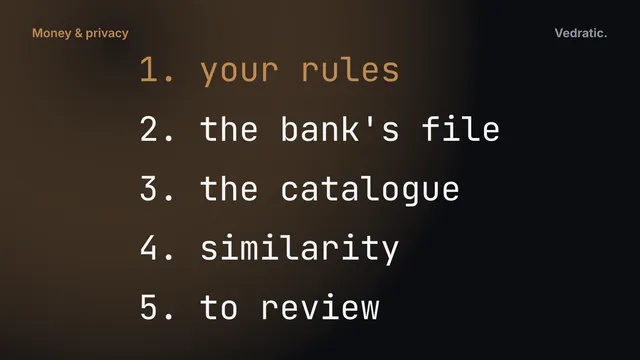
How Ahorreo categorises every imported transaction with a fixed order of rules on your device, says who decided each one, and never undoes your corrections.
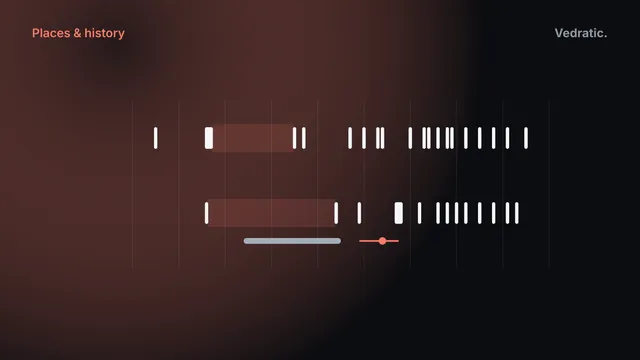
How Chronotopia gives a year to thousands of buildings, aprons and taxiways that no document dates: aerial photos, the gaps between them, and what ≈ really means.
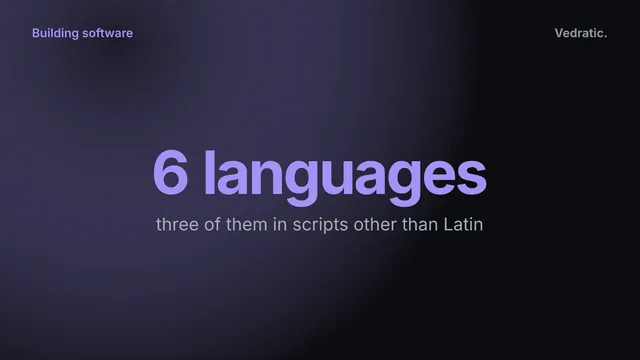
Globdrop's interface speaks six languages but its flag names only three. How normalisation, fallbacks and autocomplete behave in Chinese, Arabic and Japanese.
How Chronotopia turns Spain's 25 m terrain model into ground under El Prat and Ibiza: a levelled platform, a coast that meets the map, and buildings standing on it.

Chronotopia rebuilds Barcelona–El Prat from 1916 and Ibiza from 1936 in 3D, one year at a time, with a source behind every event. What it shows and what it can't.
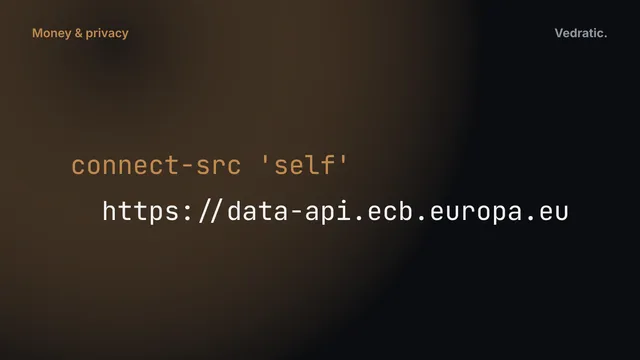
A privacy policy is a promise. A Content Security Policy, an automated network test and an opt-in switch are enforcement. How Ahorreo makes 'your data never leaves your device' something you can verify.
A salary paid on March 1st belongs to February, and a card purchase on March 28th is March spending even if it's charged in April. How Ahorreo separates the bank's date from the month a transaction belongs to.
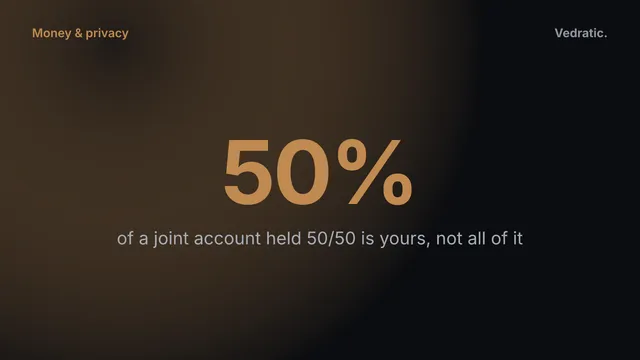
A joint account at 50% shouldn't count in full towards your net worth. How Ahorreo models ownership as a percentage on accounts, homes and mortgages — and why every figure needs to say which base it's on.
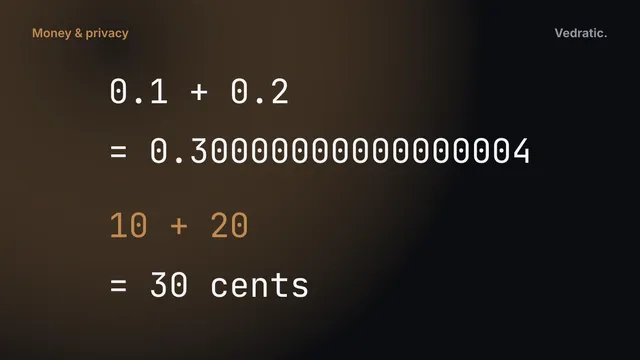
0.1 + 0.2 is not 0.3 in JavaScript. Here's why Ahorreo stores every amount as integer minor units inside a Money type, refuses to add two currencies, and parses '1.234,56 €' without guessing.
Meet Ahorreo, Vedratic's local-first personal finance app. Import the statements your bank already gives you and see what you earn, spend and own — with no server, no account and no bank credentials.
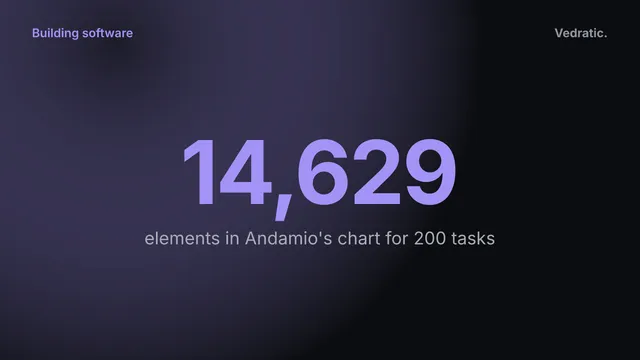
Globdrop draws one image and two pins; Andamio re-renders its whole Gantt chart on each drag move. What the code does, what we counted, what we still owe.
Fuller's Dymaxion map distorts area far less than Mercator. Why it still doesn't fit Globdrop: north-up maps, scores in km, distance on a flat image, cut faces.
Go behind the scenes of how we selected, grouped, and curated the four flag scenarios in Globdrop, from autonomous regions to special design anomalies.
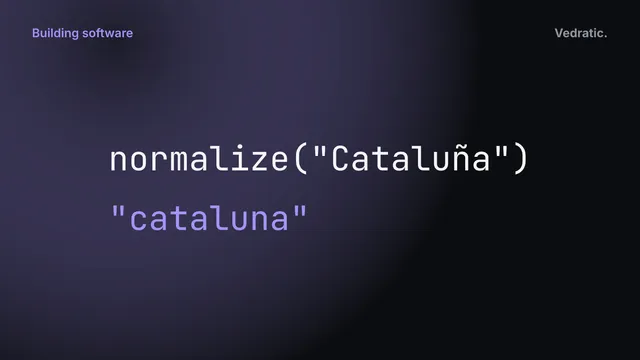
What happens when you type a flag's name in Globdrop: the suggestion list, the text normalisation, and the answers it accepts and the ones it rejects.
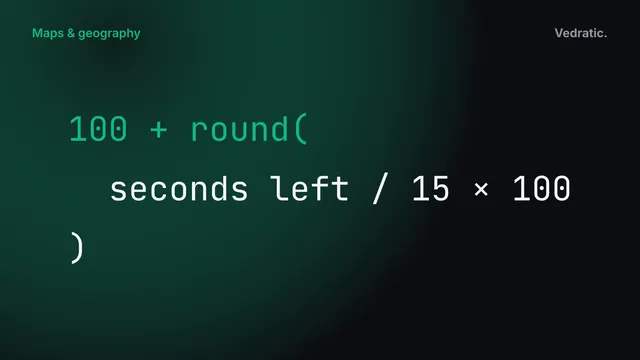
We are excited to launch Flag Mode in Globdrop! Learn how the new mode works, how to play it, and the different flag scenarios and difficulty options available.
Why Andamio stores plans in localStorage and Ahorreo uses IndexedDB: size limits, sync vs async, clearing site data, and a JSON export vs an encrypted backup.
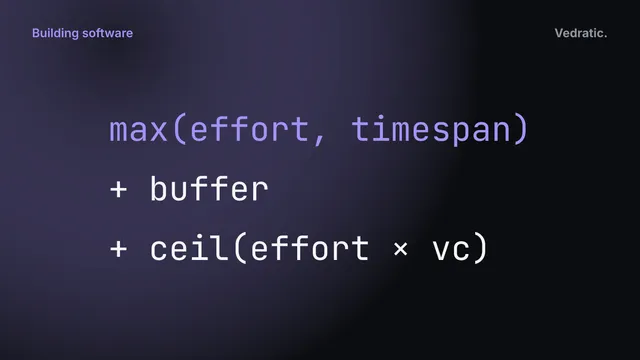
Inside Andamio: a flat task list, a scheduler that repeats until nothing moves, three views, Mermaid import and export, and plans kept in localStorage.
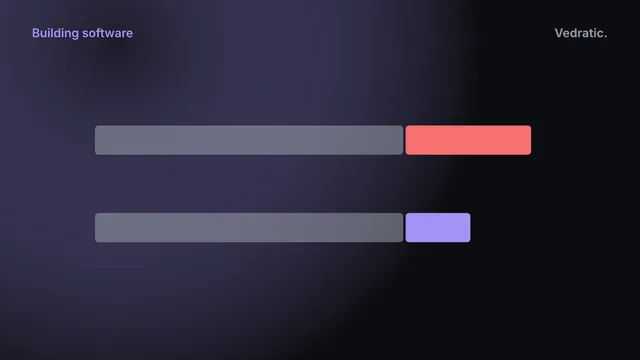
How buffers work in Andamio (a days field per task) and in our buffer calculator (PERT plus root sum of squares), and why neither is Critical Chain's 50% rule.
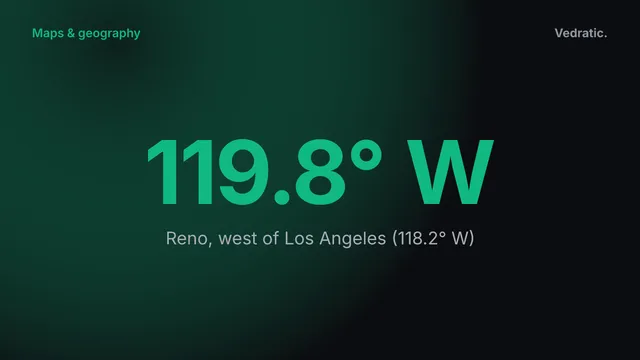
Reno is west of Los Angeles, Windsor is south of Detroit and Maine is the US state closest to Africa. Why memory gets them wrong, and where Globdrop tests them.
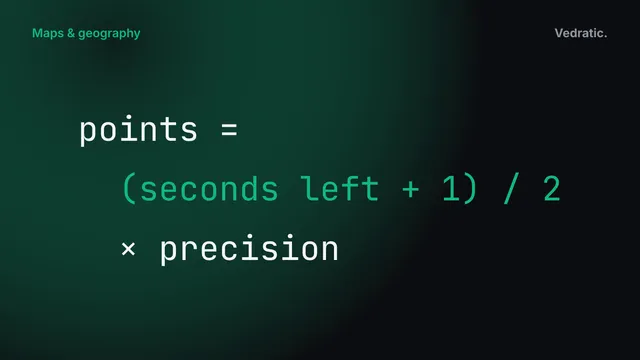
What Globdrop shows after each click, and why: two pins, a dashed error line, the distance, a threshold per map and a time multiplier, for survey knowledge.
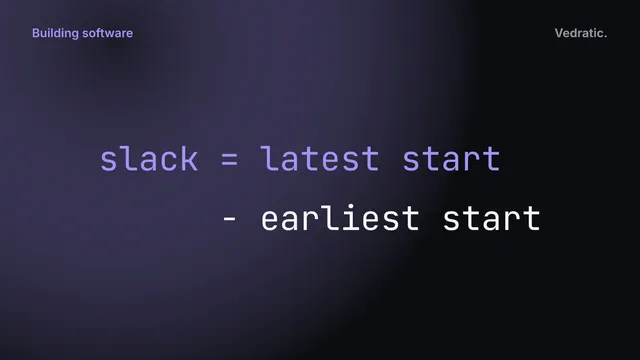
The critical path method step by step (forward pass, backward pass, slack), then what Andamio calculates: the forward pass, with finish-to-start links only.
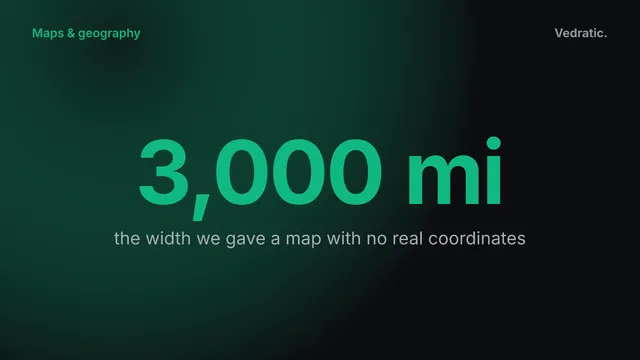
How we calibrated a map with no real coordinates: the Linear system, a 1242×848 px bounding box, a 3,000-mile width, a 200-mile threshold and 26 islands.
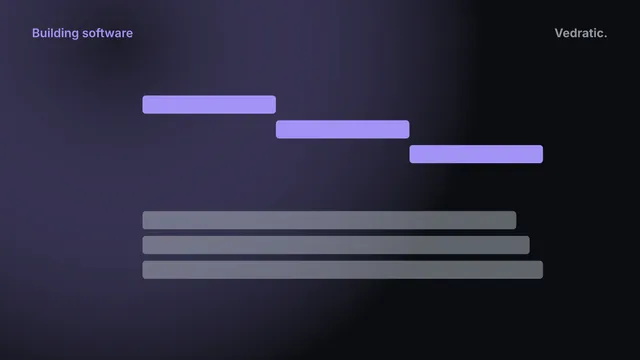
Three projects at 33% each finish later than the same three done one after another. The arithmetic of partial dedication, and how to plan it in Andamio.
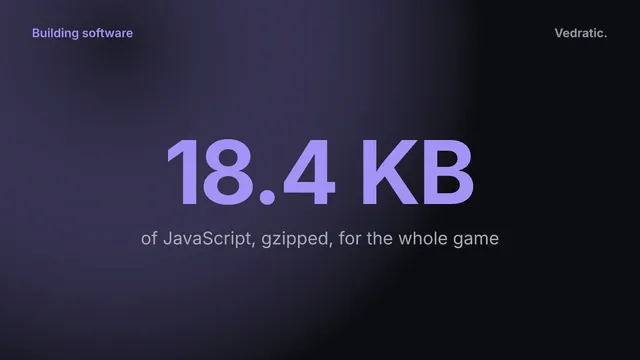
Inside Globdrop: scenarios as JSON, six coordinate systems in one file, a map that is a plain image with pins, and the sizes we measured from the build.
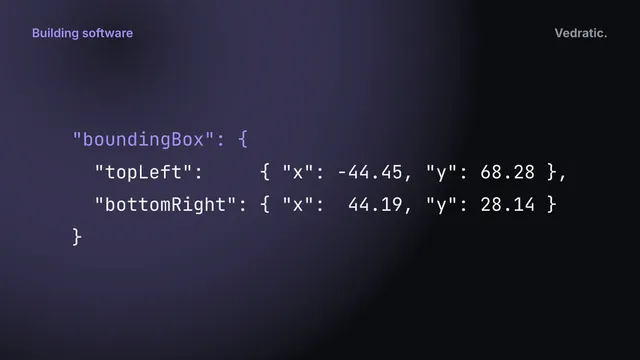
Where Globdrop's base maps come from, how we calibrate them in a small in-house tool, how a click becomes a latitude, and why we use one image, not paths.
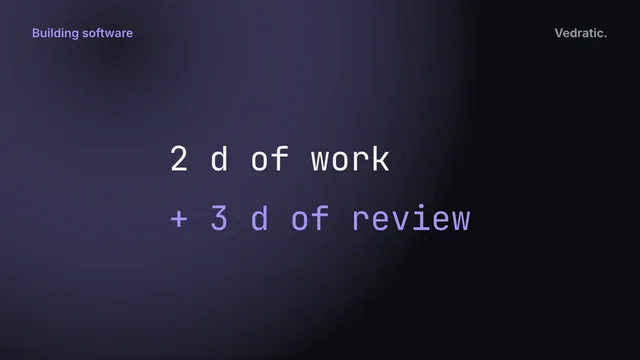
Showing a plan to a client with Andamio: their tasks as dependencies, deliverables with target dates, review time added to effort, and SVG export.
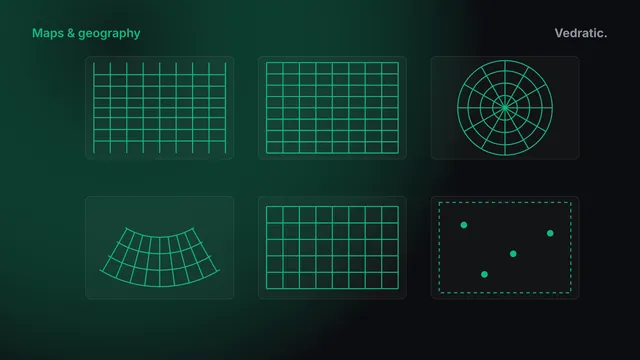
Why no flat map is exact, and the forward and inverse formulas Globdrop uses: Mercator, Miller, Lambert azimuthal, Albers, UTM and a flat grid for fiction.
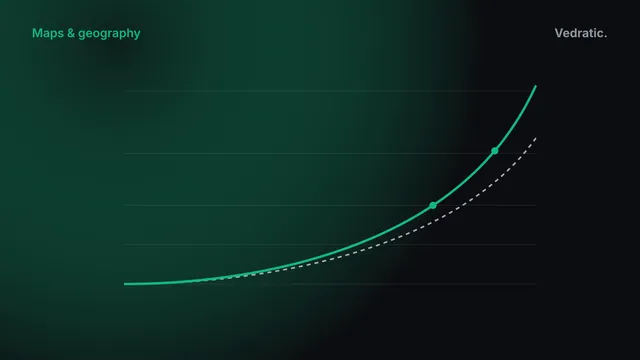
Why Greenland looks as big as Africa on a Mercator map: area grows as sec²φ, 4× at 60° and about 10.5× at 72°. And why Globdrop's world map uses Miller.
New articles also go out by RSS.