Type-to-answer in six languages
Globdrop's interface speaks six languages but its flag names only three. How normalisation, fallbacks and autocomplete behave in Chinese, Arabic and Japanese.
How Andamio and Globdrop are built: Andamio's scheduler and its three views, Globdrop's six coordinate systems and 19 KB of JavaScript, where the rendering time goes in each, and why one keeps its data in localStorage and Ahorreo in IndexedDB. Also how Globdrop's Write mode normalises what you type before comparing it with a flag's name.
The rest of the line is about planning with Andamio: buffers, the critical path and what Andamio actually calculates, the arithmetic of splitting your time between projects, and showing a plan to a client.
Projects: Andamio, Globdrop, Buffer calculator
Globdrop's interface speaks six languages but its flag names only three. How normalisation, fallbacks and autocomplete behave in Chinese, Arabic and Japanese.
Globdrop draws one image and two pins; Andamio re-renders its whole Gantt chart on each drag move. What the code does, what we counted, what we still owe.
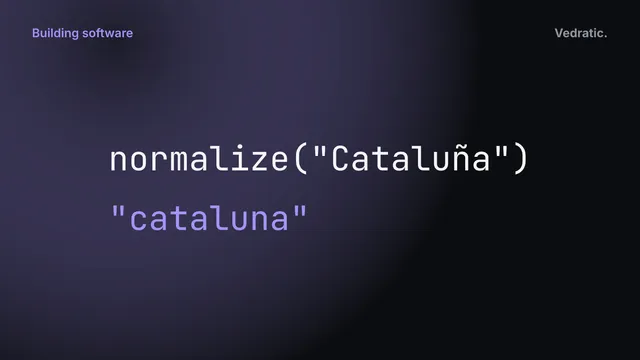
What happens when you type a flag's name in Globdrop: the suggestion list, the text normalisation, and the answers it accepts and the ones it rejects.
Why Andamio stores plans in localStorage and Ahorreo uses IndexedDB: size limits, sync vs async, clearing site data, and a JSON export vs an encrypted backup.
Inside Andamio: a flat task list, a scheduler that repeats until nothing moves, three views, Mermaid import and export, and plans kept in localStorage.
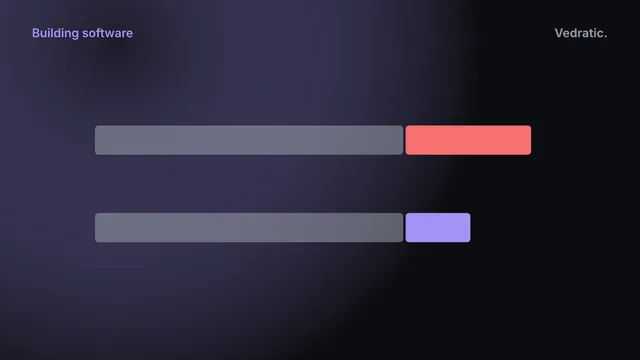
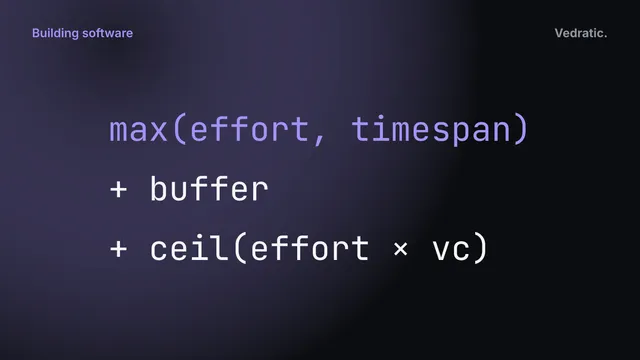
How buffers work in Andamio (a days field per task) and in our buffer calculator (PERT plus root sum of squares), and why neither is Critical Chain's 50% rule.
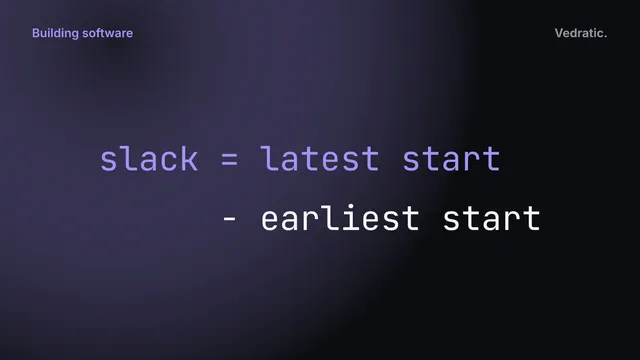
The critical path method step by step (forward pass, backward pass, slack), then what Andamio calculates: the forward pass, with finish-to-start links only.
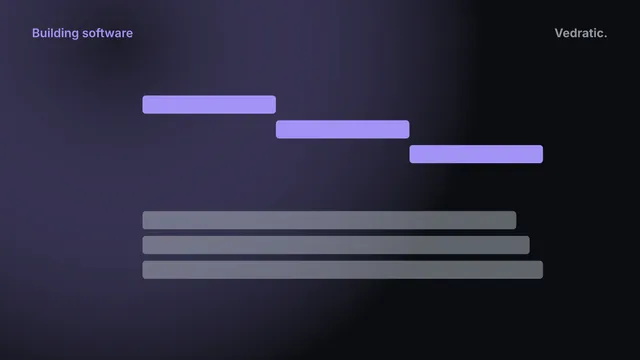
Three projects at 33% each finish later than the same three done one after another. The arithmetic of partial dedication, and how to plan it in Andamio.
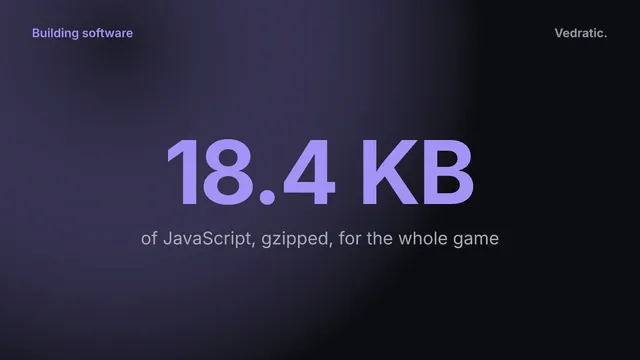
Inside Globdrop: scenarios as JSON, six coordinate systems in one file, a map that is a plain image with pins, and the sizes we measured from the build.
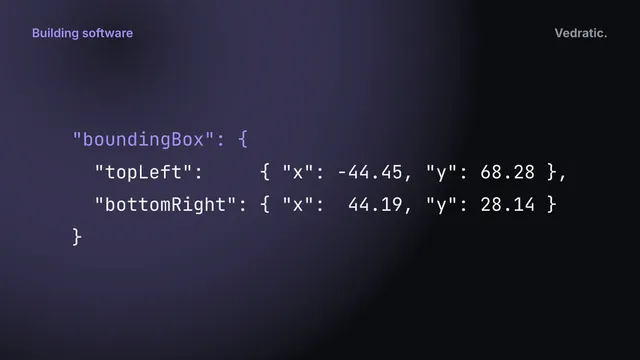
Where Globdrop's base maps come from, how we calibrate them in a small in-house tool, how a click becomes a latitude, and why we use one image, not paths.
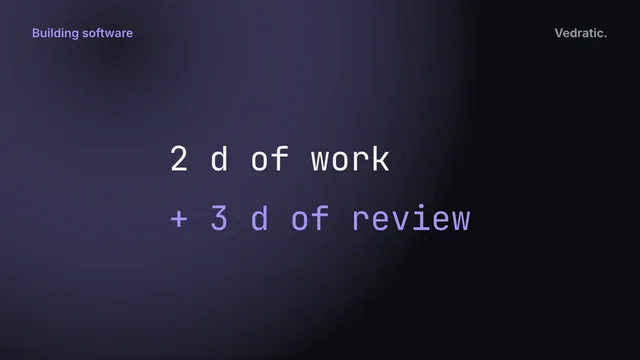
Showing a plan to a client with Andamio: their tasks as dependencies, deliverables with target dates, review time added to effort, and SVG export.
Map projections, how Globdrop's maps and scoring work, and its flags.
8 articles
Personal finance in the browser: how Ahorreo counts your money and keeps it private.
6 articles
Places rebuilt year by year in 3D with Chronotopia, and where every date and shape comes from.
4 articles